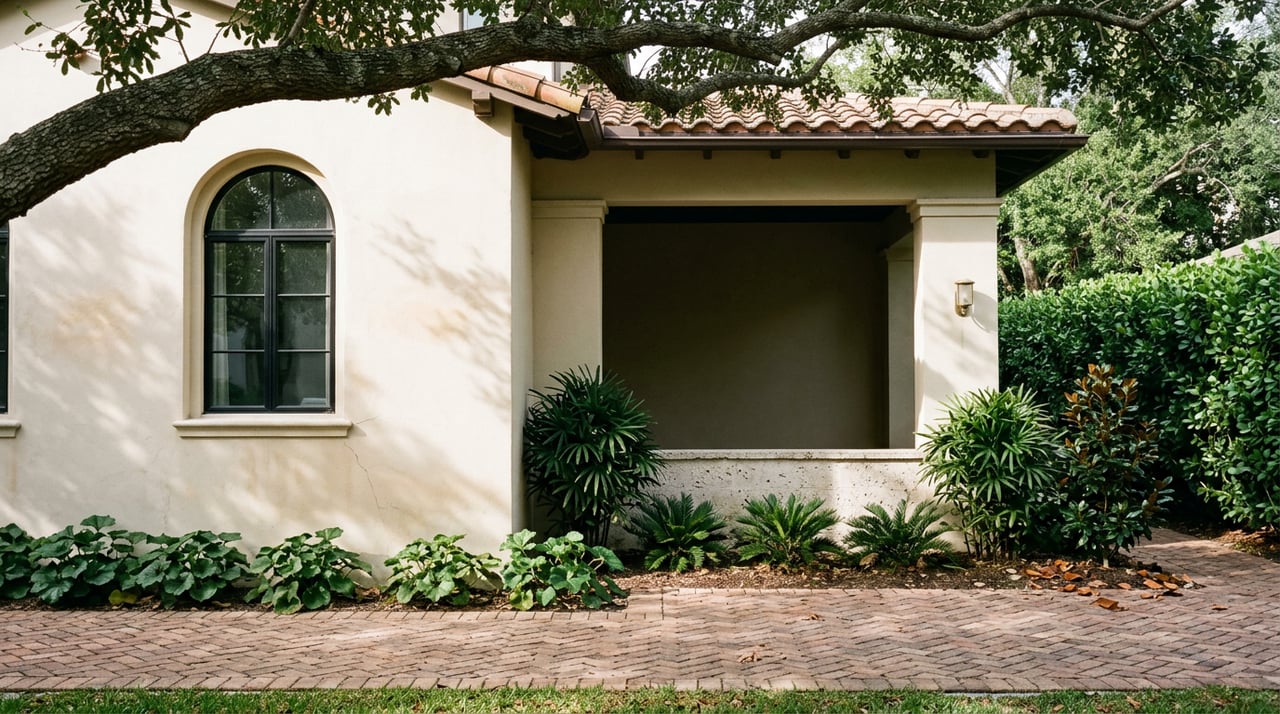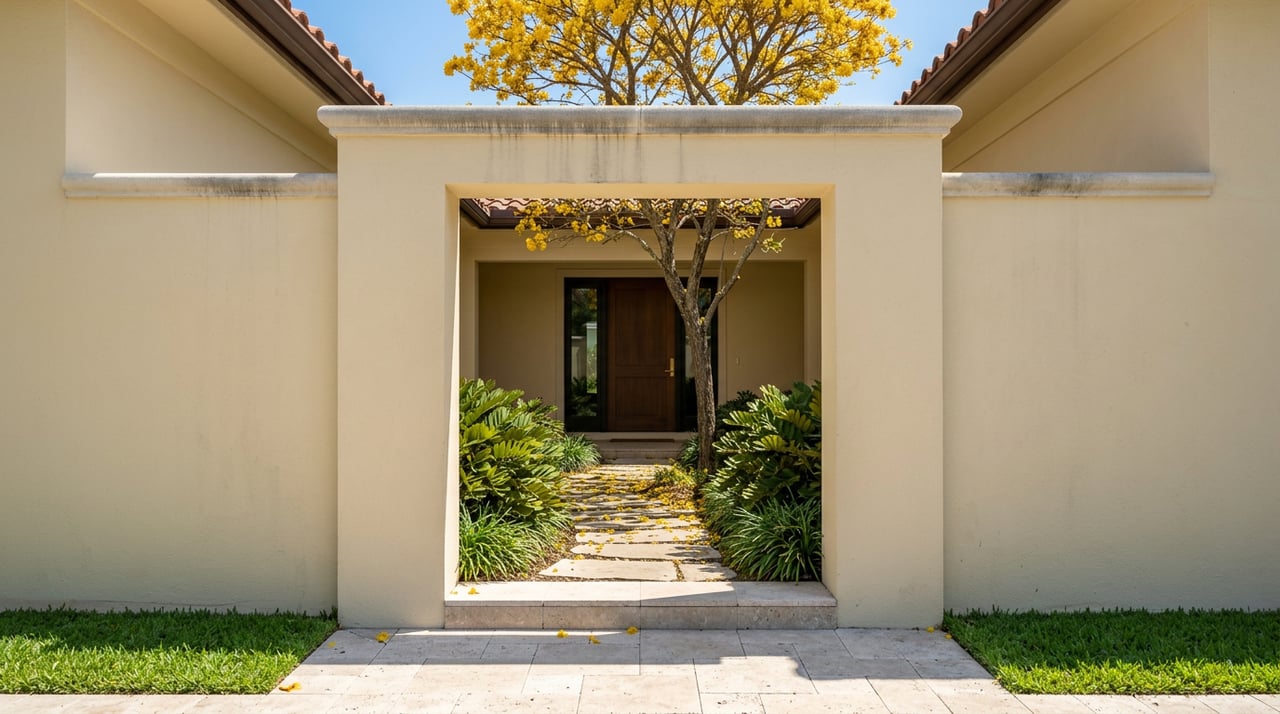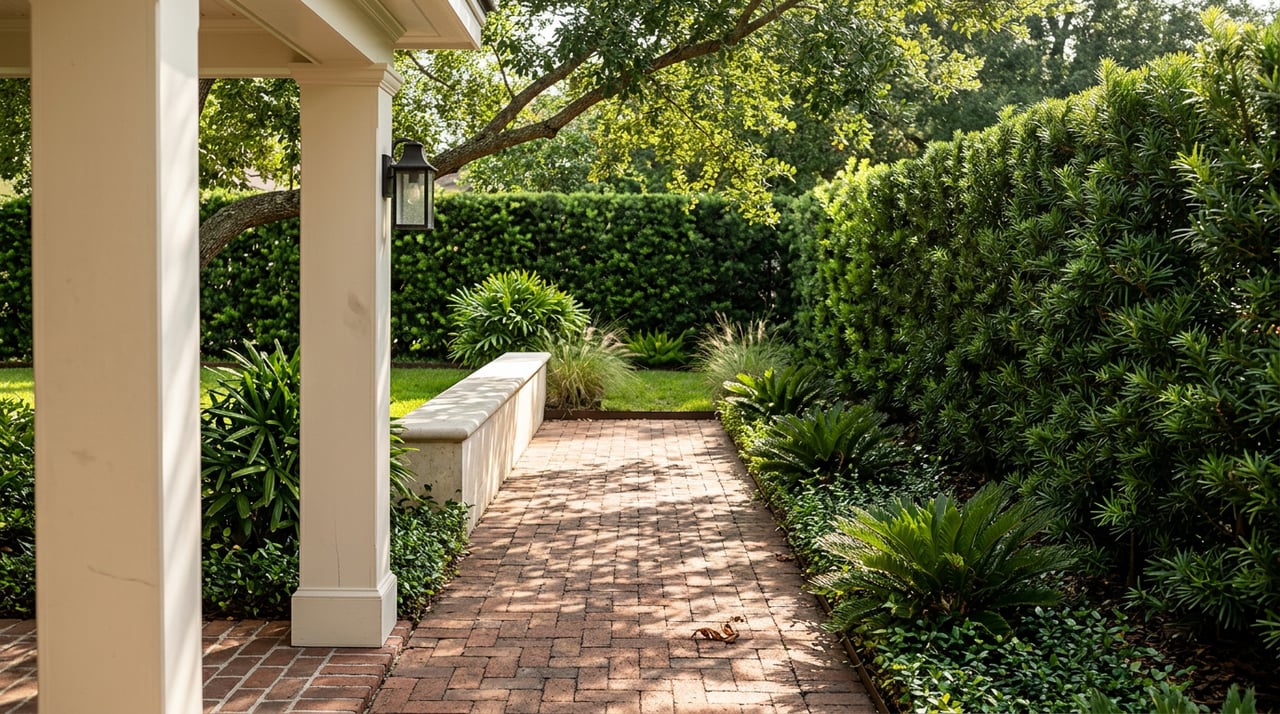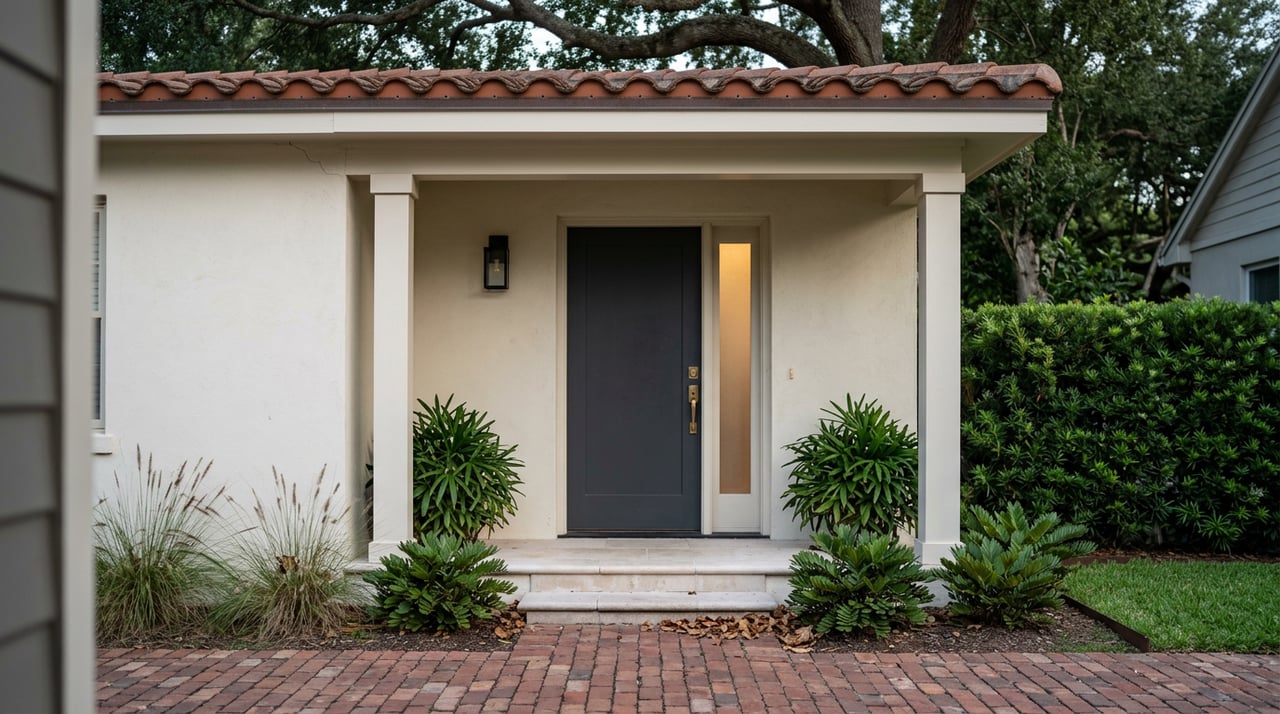
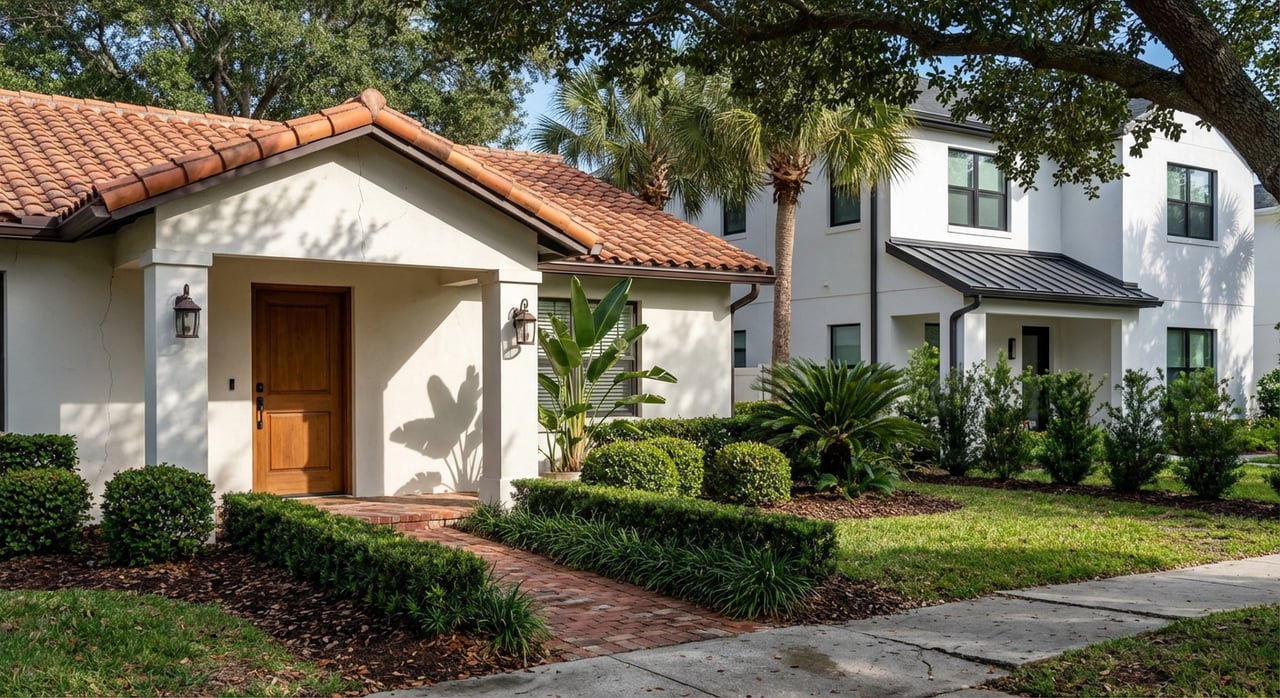
Picture tree‑lined streets with classic bungalows, a lively main street full of local spots, and a five‑to‑ten‑minute drive to downtown Orlando. If that sounds like your sweet spot, College Park likely belongs on your short list. In this guide you’ll learn what homes typically cost, how lots and floor plans differ, and what to expect with inspections and renovations on older properties. You’ll also see how College Park compares with nearby neighborhoods so you can shop with confidence. Let’s dive in.
Why College Park works
College Park sits just north of downtown Orlando with roots that go back to the early 1900s. The neighborhood’s name comes from its college‑themed street grid and its history shows up in the Craftsman cottages and mid‑century homes you see on nearly every block. To get a feel for the area’s past, browse the neighborhood’s own overview of its history and development.
Edgewater Drive is the local main street and the heart of daily life. Here you’ll find independent cafes, restaurants, and shops, plus year‑round neighborhood events that keep the sidewalks active. The city’s College Park Main Street program highlights these amenities and community happenings along Edgewater Drive. Add in small public lakes, pocket parks, and Dubsdread Golf Course, and you have a walkable, low‑key urban vibe without living right in the core.
What you can buy and for how much
Home prices in College Park vary by source and method. Recent snapshots show neighborhood medians ranging roughly from the low‑$500k band to around $690k. Data providers track different things, so treat these as context and rely on current MLS comps when you are ready to write an offer.
Here is a useful way to think about the price bands you will see:
- Entry and smaller historic cottages: roughly mid‑$300k to mid‑$600k depending on block, lot size, and condition.
- Renovated single‑family and boutique new builds: about $650k to $1.2M for well‑updated Craftsman or ranch homes and newer infill.
- Lakefront and high‑end new construction: above $1M, with direct lakefront and larger custom builds well into seven figures.
You will also notice a steady but not frantic selling pace. In late 2025, typical days on market were in the multiple‑week range, roughly 70 to 80 days. Move‑in‑ready homes in prime pockets and true lakefront listings tend to draw the strongest competition. If you are targeting a specific block, watch recent sale‑to‑list ratios and days on market to tailor your strategy.
Lots, ages, and home styles
College Park is known for modest lot sizes and mature canopy. Most interior single‑family parcels fall between about 0.10 and 0.25 acres, often in the 0.13 to 0.23 range. Larger parcels do exist along the neighborhood’s lakes, and those can be significantly bigger.
The housing stock is a mix of 1920s–1950s cottages and bungalows, mid‑century ranches, and a growing number of infill townhomes and custom rebuilds. That variety is part of the charm, and it affects renovation needs and insurance considerations as well.
Some pockets overlap with locally and nationally recognized historic districts, including the Lake Adair–Lake Concord Historic District. If you buy inside a designated district, expect an exterior review process for major changes. The City of Orlando details permit rules and Certificates of Appropriateness for historic areas on its permits and inspections page. Build those timelines into your planning if you intend to add on, change windows, or modify the exterior.
Renovation realities and budgets
Older Florida homes can be solid long‑term buys if you account for the big systems up front. Here are common line items to price and inspect.
- Roofs. Florida sun and storm seasons are tough on shingles. Typical replacement ranges in Orlando run about $6,000 to $20,000 for asphalt shingle depending on size and materials. Tile or metal systems cost more. See typical ranges in this Orlando roof replacement guide. Always confirm roof age and permits.
- HVAC. Central AC systems often reach replacement around 10 to 15 years. A full system swap commonly runs $4,000 to $10,000 or more depending on size and efficiency. Review SEER2 ratings and service records, and get a bid if the unit is aging. Reference typical costs in this HVAC pricing explainer. Verify any tax incentives by installation date.
- Electrical. Many bungalows were not designed for today’s loads. Panel upgrades, grounding, and dedicated kitchen or EV circuits may be needed. Orlando requires permits for this work. See the city’s permits and inspections before you budget and schedule.
- Plumbing and sewer. Older galvanized, cast iron, or early plastic lines can fail over time. A sewer‑scope camera inspection is common in Central Florida because sewer repairs can be costly and disruptive.
- Termites and wood‑destroying organisms. Florida has a high termite risk, including invasive species. A WDO inspection is routine and treatment or repair is a frequent negotiation item. UF/IFAS tracks spread and risk in this termite research update.
- Lead paint and safe remodeling. For homes built before 1978, federal disclosure rules apply and contractors must follow the EPA’s Renovation, Repair and Painting rule. Learn more on the EPA’s RRP page.
For kitchens and baths, ranges span from light refreshes to full gut remodels. Your budget will depend on layout changes, finishes, and whether mechanical upgrades are needed first. A practical rule: prioritize life‑safety and big systems before cosmetic work. It improves daily living, supports appraisal and insurance, and makes future cosmetic upgrades more straightforward.
Commute and lifestyle comparisons
If you value a short drive to downtown Orlando and access to I‑4, College Park delivers. Many residents report sub‑15‑minute commutes to downtown offices during typical hours. You also get a neighborhood main street feel with independent businesses, which sets it apart from more suburban subdivisions.
Here is how it stacks up to a few nearby options:
- Baldwin Park. Newer planned community with lakefront trails and HOAs, and median pricing that often runs above College Park. Homes tend to be newer with more uniform amenities.
- Winter Park. Historic and high‑amenity suburb just to the north. Pricing varies by pocket, often similar to or higher than College Park.
- Audubon Park and Ivanhoe area. Walkable retail and strong demand for renovated bungalows and infill. A similar energy if you like neighborhood spots.
- Downtown and Thornton Park. More urban, more condos and lofts. College Park offers a quieter single‑family feel while staying close to downtown venues.
Smart buyer checklist
Use this short list to move through due diligence with confidence:
- Hire a licensed Florida home inspector and add a WDO inspection.
- Order a sewer‑scope on older homes and review the roof’s age and permit history.
- Pull HVAC service records and get a replacement bid if the system is near end of life.
- Confirm electrical service size and permitted panel upgrades if you plan power‑heavy features.
- Check the City of Orlando’s permit records and requirements for any past or planned work, including historic district rules.
- Review flood maps and elevation for the parcel, especially for lake‑adjacent lots, and discuss insurance implications with your lender and agent.
- Verify property taxes with the Orange County Property Appraiser’s Tax Estimator. Exemptions like Homestead can affect your bill.
Insurance, taxes, and carrying costs
Florida’s homeowners insurance market changes more than most states. Inland Orlando premiums are generally lower than coastal counties, but condition, wind‑mitigation features, and claims history matter. Review a few quotes during your inspection period and ask about wind‑mitigation credits. This overview of Florida insurance costs explains the moving parts so you can budget confidently.
On taxes, remember that taxable value, not purchase price alone, drives your bill. Local exemptions can reduce assessed value. Use the Orange County Property Appraiser’s Tax Estimator to run parcel‑specific scenarios before you write an offer.
Who College Park fits
Choose College Park if you want historic character and a neighborhood main street with quick access to downtown Orlando. You will find a mix of classic cottages, renovated ranches, and thoughtful new builds on manageable lots. If you like the idea of walking to coffee, weekend events, and small parks without giving up single‑family living, it is a strong match.
If you are considering buying with an eye to renting in the future, the neighborhood’s appeal and near‑downtown location can be a plus for long‑term holds. An integrated sales and property‑management partner can help you buy with future maintenance, leasing, and accounting in mind.
Ready to find a College Park home that fits your life and budget? Reach out to Evolve Property Group for local guidance from a boutique team that pairs neighborhood expertise with professional systems.
FAQs
What are typical home prices in College Park right now?
- Recent snapshots show medians ranging from roughly the low‑$500k band to about $690k depending on the source, with lakefront and new builds well above that range.
Are there historic district rules that affect remodeling in College Park?
- Yes; parts of College Park fall within recognized historic districts, and exterior changes often need a city review called a Certificate of Appropriateness, so factor permits and timelines into your plan.
How big are most College Park lots and can I add on?
- Many interior lots run about 0.10 to 0.25 acres, which can allow modest additions, but you should confirm zoning, setbacks, and any historic rules with the City of Orlando before designing.
What inspections are most important for older Orlando homes?
- In addition to a full home inspection, budget for a WDO (termite) inspection, a sewer‑scope, roof age and permit checks, HVAC service review, and electrical panel evaluation.
How does College Park compare to Baldwin Park for buyers?
- College Park offers historic charm and a main‑street feel with varied home ages, while Baldwin Park is newer and planned with HOAs and trails, and it often carries higher median pricing.
Do I need flood insurance near College Park’s lakes?
- Requirements depend on your parcel’s elevation and flood zone, so review official flood maps for the address and have your lender and insurance agent advise during your contingency period.