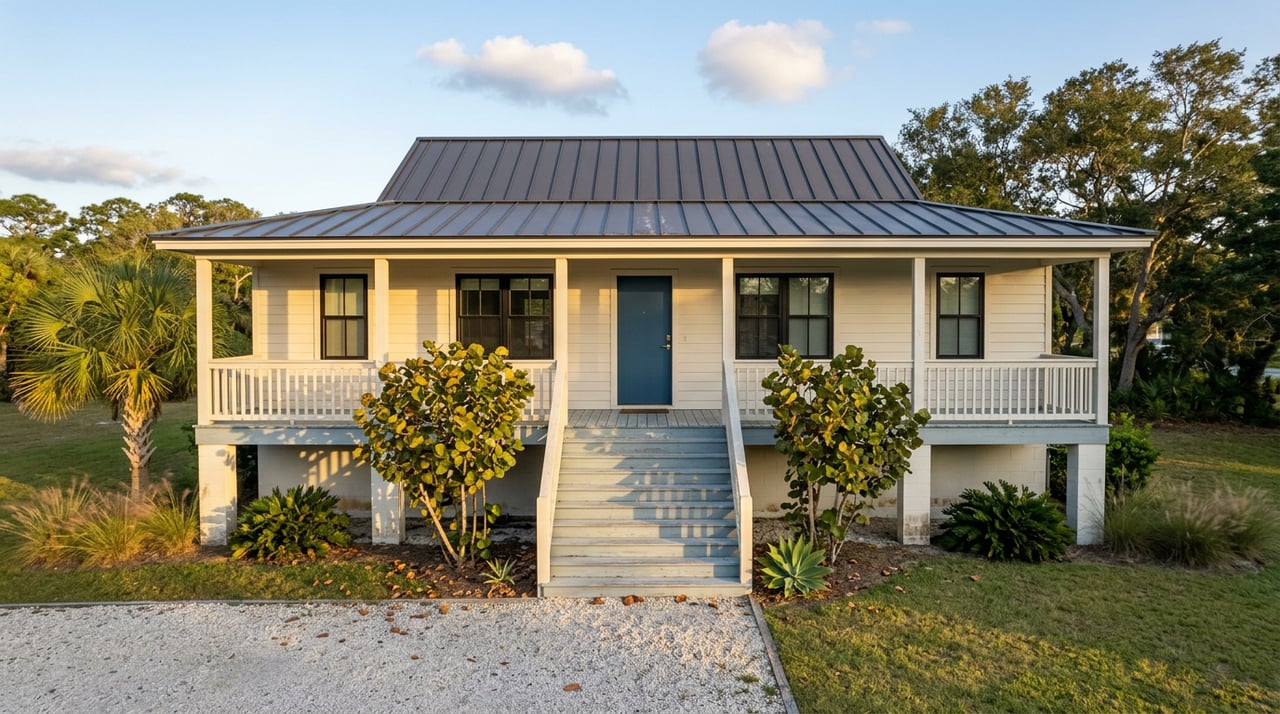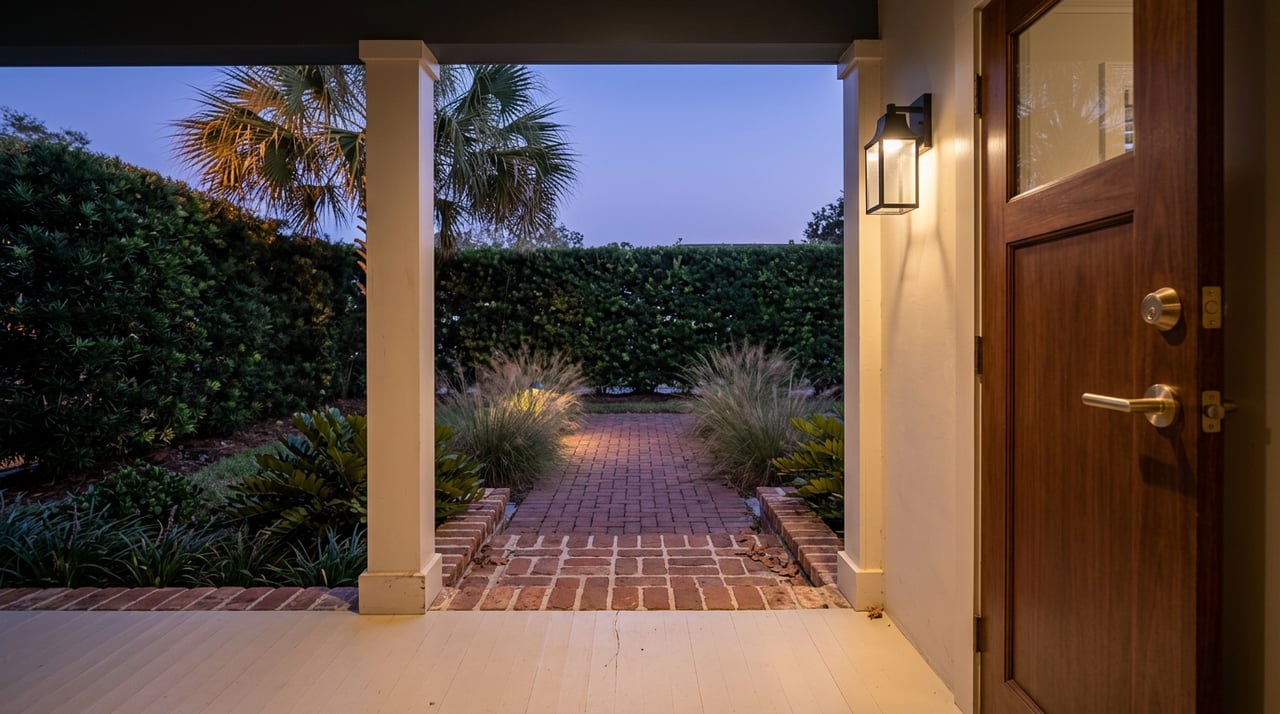
Walk Edgewater Drive on a Saturday morning and College Park announces itself before you read a single listing description. Craftsman bungalows with deep porches. Oak canopies over brick-adjacent streets. A housing stock that mostly went up between the 1920s and the 1950s, clustered around Lake Adair and Lake Ivanhoe. Every visual cue tells a buyer they're standing in a protected historic neighborhood.
Orlando's city code disagrees. College Park isn't one of the six places in this city where a homeowner needs a Certificate of Appropriateness to change a window, add a room, or tear a structure down and start over. That fact doesn't show up on a listing sheet, and it changes what actually happens to a house here between contract and closing.
The Six Districts College Park Never Joined
Orlando has designated exactly six local historic preservation districts since 1980: Downtown, Lake Cherokee, Lake Copeland, Lake Eola Heights, Lake Lawsona, and Colonialtown South, the newest of the six, added in 2000. Each one came from a petition process, where owners inside a proposed boundary voted themselves into oversight by the city's Historic Preservation Board.
College Park sits just outside that list. Its houses are old enough, and its Craftsman and bungalow forms common enough, that the city's own preservation calendar sought contributing photos from College Park alongside Orwin Manor, Rose Isle, and Colonialtown North for its 2026 historic homes calendar. Old enough to photograph. Not old enough, or not petitioned into, actual regulation.
The distinction matters more than it sounds like it should. A few blocks away in Colonialtown South, an owner who wants to replace a window, alter a roofline, or demolish a contributing structure has to bring that plan to the Historic Preservation Board first. Orlando is even weighing a temporary rollback of those rules downtown right now, with the city arguing this summer that the review process has made renovation "difficult, costly and unpredictable" enough to leave buildings vacant despite more than $200 million in public investment nearby. That's how much weight a district designation actually carries in this city. College Park owners have never had to think about it.
What That Freedom Actually Looks Like on the Ground
Drive a few blocks of College Park in any given month and you'll see the consequence. New construction goes up on infill lots next to 1920s originals with no Certificate of Appropriateness in the permit file, because there's no board to apply to. A five-bedroom, 4.5-bath new build with a private pool and summer kitchen can rise on the same street as a 720-square-foot original bungalow, and nothing in city process treats that as a conflict. Owners gut kitchens, add primary suites, and swap original single-pane windows for double-pane without a hearing.
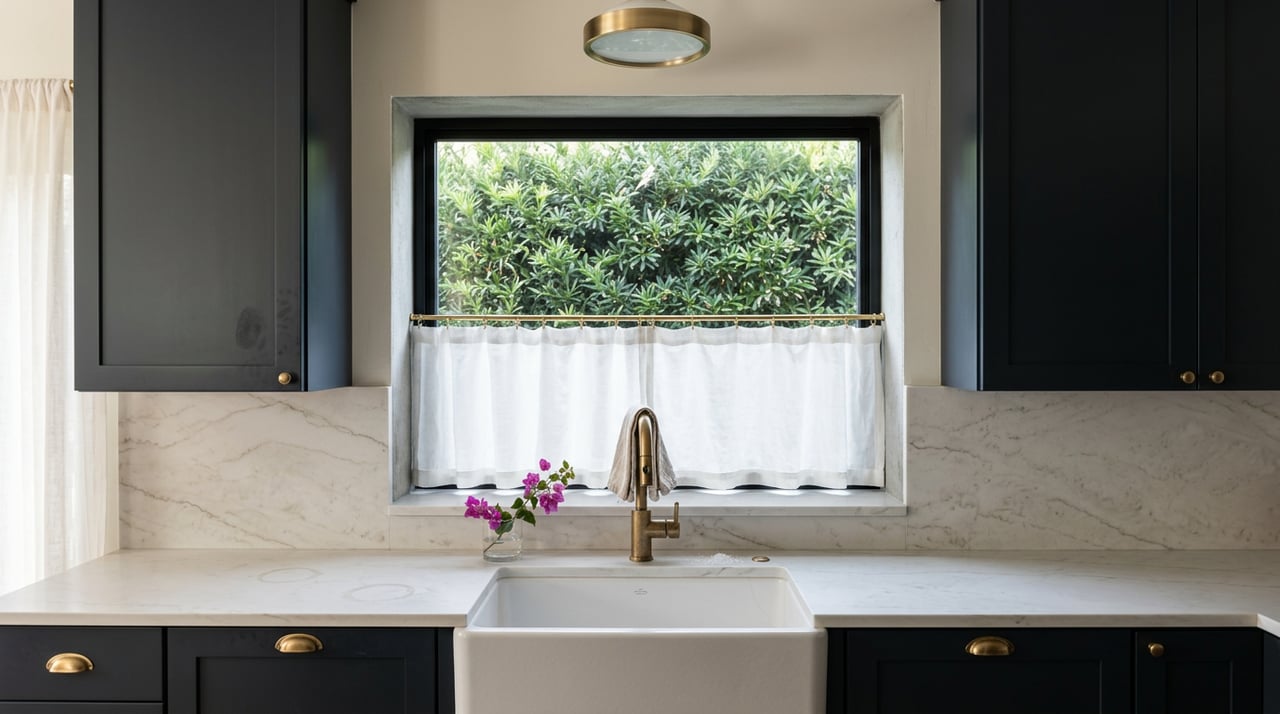
That's not a criticism of the neighborhood. For a seller, it's leverage. You can modernize a 1920s bungalow to whatever standard the market rewards without waiting on a board meeting or defending a paint color. The tradeoff is that the neighborhood's historic character survives entirely on individual owners' choices, not on a rule that protects it. Nothing stops a full teardown next door the way it would in Colonialtown South.
The Inspection That Actually Gates a Sale
None of that regulatory freedom touches the one process that does stop a College Park sale cold: Florida's four-point inspection, the roof, electrical, plumbing, and HVAC review that insurance carriers require before they'll write or renew a policy on an older home. It doesn't care what district you're in. It cares what's behind the wall.
Local electricians who work this specific housing stock describe a consistent pattern in College Park attics and panels. Karhan Construction & Remodeling, which handles renovations along Edgewater Drive and across the bungalow grid, lists knob-and-tube wiring, plaster-and-lath walls, original cast-iron drain stacks, and sloped subfloors as conditions they routinely plan around before opening a single wall. InPhaze Electric, which works historic homes across College Park and Winter Park, notes that many houses previously described as already rewired still turn up partial knob-and-tube runs once an electrician gets into the attic, because earlier renovations patched over old wiring instead of fully removing it.
The panels themselves carry their own risk. Federal Pacific Electric and Zinsco brands, both common in mid-century installs, are treated by most Florida carriers as high-risk enough to block coverage until replaced. Aluminum branch wiring, typical of whatever 1960s and 1970s rewiring or additions got layered onto an older house, creates loose connections as it expands and contracts, and carriers often require CO/ALR-rated devices at every outlet before they'll bind a policy. None of this requires a historic designation to matter. It requires an insurance underwriter, and insurance underwriters don't check zoning maps.
Cast-iron drain lines add a second, slower-moving problem. Florida's soil chemistry and high water table compress the usable life of cast iron, and a line that's pitted or cracked underground won't show up on a standard walkthrough. One recent College Park listing got ahead of this by advertising a professionally relined main sewer line with epoxy resin and a transferable 50-year warranty, the kind of proactive fix that turns a potential inspection surprise into a selling point instead of a renegotiation.
Reading College Park's Price Data Without Getting Fooled
College Park's pricing tells its own story about how thin this market really is, and it's easy to misread if you take a single average at face value. As of June 2026, homes listed to buy in College Park carried a median asking price of $689,000, or $380 per square foot, sitting on the market a median of 65 days. Broader estimates for early 2026 put actual sale prices anywhere from $575,000 to $760,000 depending on the source and window, with updated bungalows clearing $700,000 and lakefront property on Lake Adair or Lake Ivanhoe routinely running past $2 million. Lakefront inventory on Lake Adair alone runs three to five sales a year at most.
That scarcity is exactly why a single month's average can swing hard without the underlying market actually moving. Three closings from January 2026 make the case on their own. A 3-bedroom on Ardsley Drive listed at $1.7 million sold for $1,525,000 after 86 days on market. A 2-bedroom on Edgewater Drive listed at $295,000 sold for $300,000, 2 percent over ask, after 71 days. A 4-bedroom on Hazard Street listed at $1,095,000 eventually sold for $1,050,000, but only after sitting 372 days.
| Address | List Price | Sold Price | Days on Market |
|---|---|---|---|
| Ardsley Dr | $1,700,000 | $1,525,000 | 86 |
| Edgewater Dr | $295,000 | $300,000 | 71 |
| Hazard St | $1,095,000 | $1,050,000 | 372 |
Put those three sales in the same rolling monthly average and you get wild swings that have nothing to do with the neighborhood losing or gaining value. It's a function of how few transactions College Park generates in any given month. Anyone pricing a listing or evaluating a comp here should weight recent, similar sales over a single trailing average, because the sample size is small enough that one stale listing or one lakefront outlier can bend the whole number.
What This Means If You're Selling This Fall
If you own a College Park bungalow and you're weighing a fall listing, the sequence that protects your timeline runs opposite to what the neighborhood's reputation suggests. Nobody at City Hall is going to slow your sale down over a window swap or a kitchen remodel. Get a four-point inspection done before you list, not after an offer comes in, so you know now whether your panel brand, your wiring type, or your drain line will be the thing that costs you a buyer's financing at the eleventh hour. A pre-listing sewer scope and a walkthrough with a licensed electrician who already knows this housing stock will surface the same findings a buyer's inspector would, just early enough to fix or price around them instead of renegotiating under deadline pressure.
And when you're setting a number, look at actual comparable sales on your block over the last few months rather than a single portal-reported average. In a market this thin, the average is often telling you about which three houses happened to sell, not about what your house is worth.
A Couple of Questions Worth Settling Upfront
Does buying in College Park mean I need city approval to renovate? No. Since College Park isn't one of Orlando's six historic preservation districts, renovations, additions, and even teardowns don't go through the Historic Preservation Board's Certificate of Appropriateness process the way they would in Colonialtown South or Lake Eola Heights. Standard City of Orlando building permits still apply.
Will a 1920s electrical panel automatically block my buyer's insurance? Not automatically, but a Federal Pacific Electric or Zinsco panel, active knob-and-tube wiring, or unremediated aluminum branch wiring will commonly stop a carrier from binding coverage until it's addressed. A four-point inspection before you list tells you which category your house falls into while you still have time to act.
If you're weighing whether a College Park bungalow makes more sense sold outright or held as a rental while values in the neighborhood keep climbing on scarce inventory, Evolve Property Group can walk you through a free rental analysis built on actual comps for your block, not a portal-wide average.