Wondering whether a historic Sanford home or a newer build is the better fit? You are not just choosing square footage or finishes here. In Sanford, you are often choosing between two very different ownership experiences, from porch-lined streets near downtown to more predictable upkeep in newer housing areas. This guide will help you compare lifestyle, maintenance, rules, and risk so you can decide with more confidence. Let’s dive in.
Why This Choice Matters in Sanford
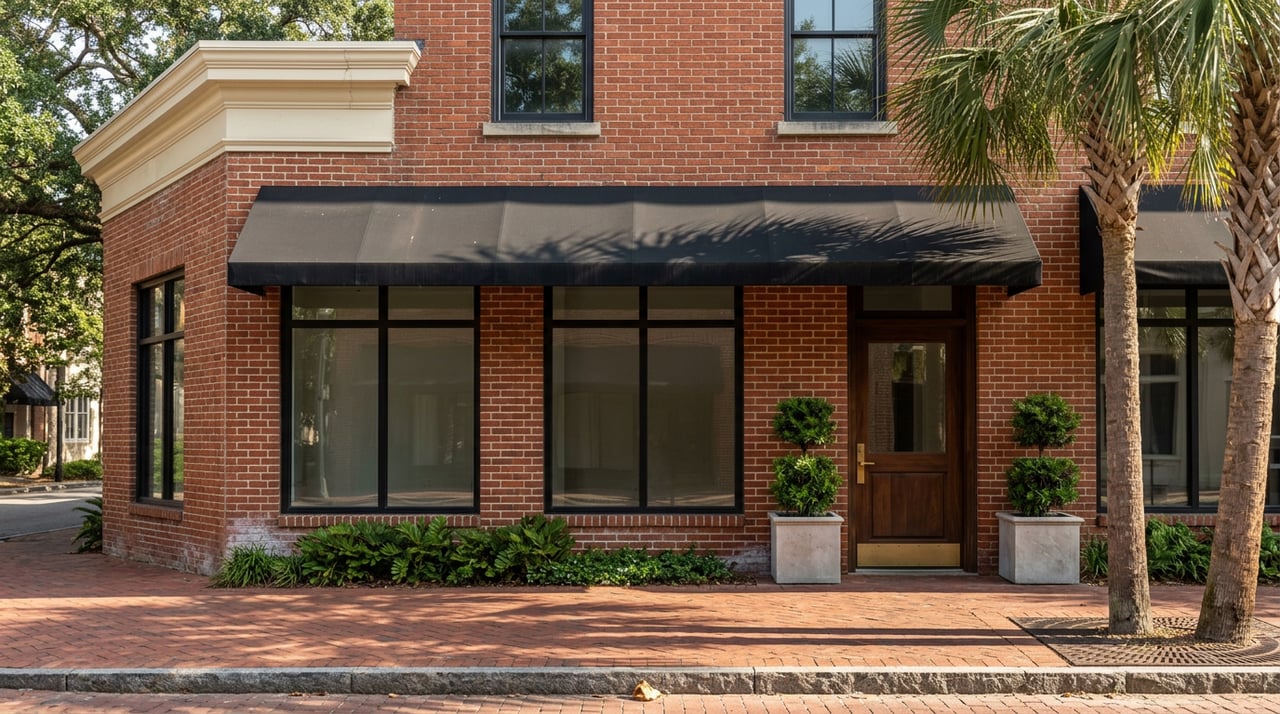
Sanford gives you a real split between old and new. The city is known for its historic downtown, waterfront setting on Lake Monroe, brick-lined streets, Victorian-era homes, RiverWalk, and regular events. At the same time, Sanford also has a meaningful share of newer housing, with the city reporting that 40% of owner-occupied homes were built in 2000 or later.
That means your decision is not just about style. It is also about how you want to live, how much maintenance you are comfortable taking on, and whether you want a home in an area with preservation rules.
What a Historic Sanford Home Offers
Historic homes in Sanford often win buyers over with character first. The city’s historic housing stock includes more than just large Victorian houses. Sanford’s preservation materials point to a wide mix of home types, including Queen Anne, Craftsman, Colonial Revival, Mediterranean Revival, Bungalow, Ranch, Frame and Masonry Vernacular, and Minimal Traditional.
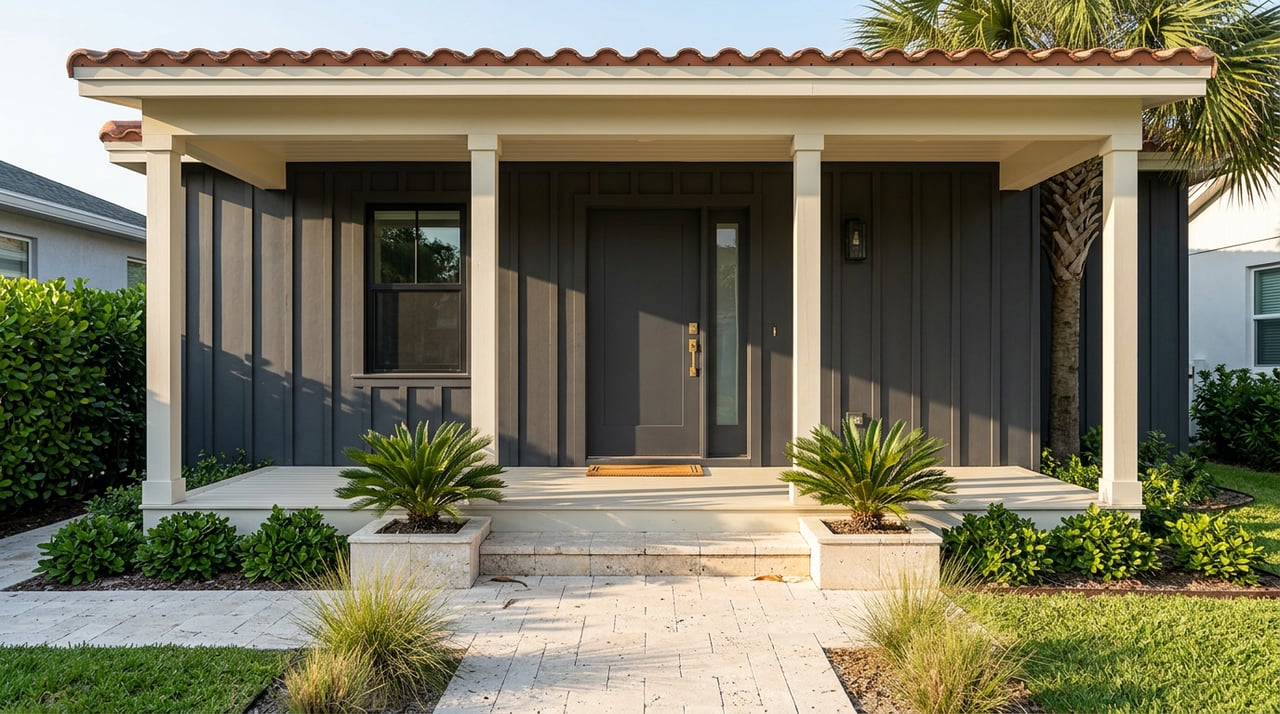
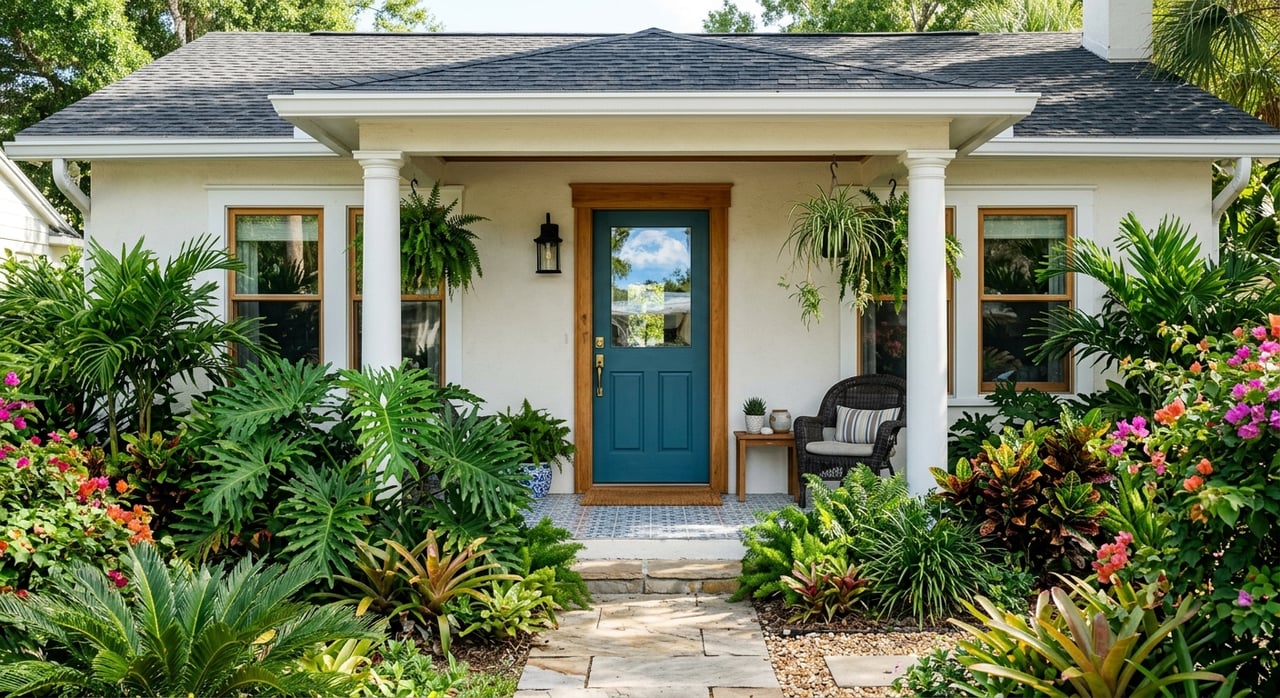
That variety matters because “historic” does not mean one layout or one look. You may find a compact bungalow with a porch, a Craftsman with natural materials and broad gables, or a postwar ranch with a more open interior layout.
Historic homes often deliver a stronger sense of place
If you picture yourself close to First Street, the RiverWalk, markets, restaurants, galleries, and downtown events, a historic home may feel like the natural match. Sanford describes downtown as a vibrant waterfront destination, and the city also offers free trolley service between the SunRail station and downtown stops.
For many buyers, that lifestyle is the real draw. You are not only buying the house. You are buying into a setting with visible street life, older architecture, and easier access to downtown activity.
Historic homes usually need more diligence
The tradeoff is that character often comes with more moving parts. Sanford says homes commonly start to need substantial repairs and rehabilitation when they reach about 30 to 40 years old. Roofs, plumbing, electrical wiring, HVAC systems, foundations, and framing may all need closer review as homes age.
The city also notes that older homes may not meet current building-code standards for safety, energy efficiency, and accessibility without upgrades. That does not make a historic home a bad choice. It simply means you should go in with a clear plan and a realistic budget.
Historic districts can affect renovations
This is one of the biggest factors in Sanford. The city has multiple historic districts, including local districts where exterior work, repairs, new construction, and site work can require a Certificate of Appropriateness before work begins.
If you are thinking about replacing windows, changing siding, altering a porch, adding onto the home, or making other exterior changes, you will want to verify what review may be required. For some buyers, these rules help protect the area’s character. For others, they can feel limiting.
What a Newer Sanford Home Offers
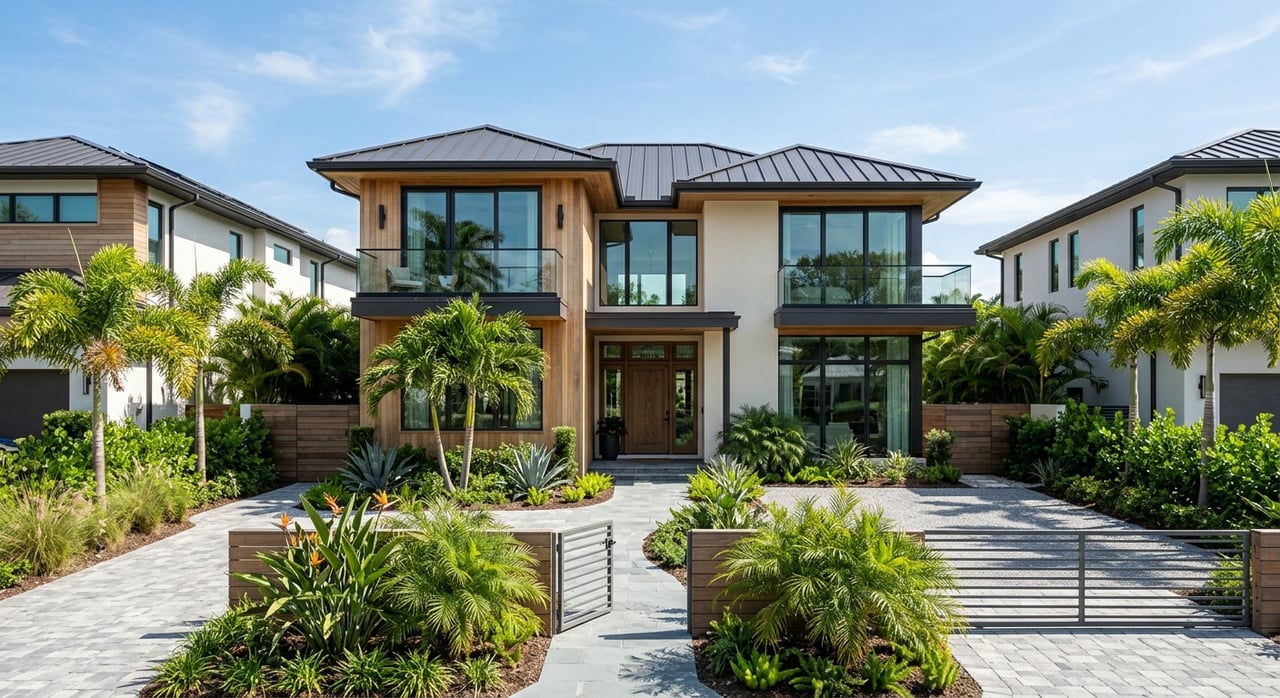
Newer homes in Sanford tend to appeal for a different reason: predictability. Because a large share of the city’s owner-occupied housing was built in 2000 or later, many buyers can find homes that may come with fewer immediate replacement needs than an older property.
That does not guarantee lower costs in every case, but it often means a more straightforward ownership experience. If you want less guesswork around major systems in the near term, newer housing may fit your comfort level better.
Newer homes often mean fewer near-term projects
A newer home can be attractive if you want to spend less time planning repairs right after closing. Compared with an older home, you may be less likely to face immediate decisions about aging wiring, plumbing, roofing, or HVAC.
For buyers who want a more move-in-ready feel, this can be the biggest advantage. You may still have maintenance, but the timeline is often easier to forecast.
Newer homes are built with current code standards in mind
Sanford’s floodplain rules show another reason some buyers lean newer. The city says it uses the current Florida Building Code, along with higher standards in flood zones. In those areas, new structures must have the lowest floor at least 2 feet above base flood elevation, and proposed development in a flood zone requires a Floodplain Development Permit.
In practical terms, newer homes may feel more turnkey because they are more likely to reflect current code and flood-related construction standards. That said, newer does not mean risk-free.
Flood Risk Matters for Both
If you are shopping anywhere in Sanford, flood due diligence should be high on your list. This matters even more if you are looking near Lake Monroe or in other low-lying areas. Sanford participates in the National Flood Insurance Program and recommends flood insurance for all homeowners, whether or not the home is mapped in a floodplain.
The city is also clear that homeowner’s insurance does not cover flood damage. It further states that flooding can happen in areas outside mapped flood zones. So whether you prefer a historic bungalow or a newer home, you should review flood mapping, insurance needs, and drainage concerns before making your decision.
Lead Paint and Older Home Planning
With older homes, construction year affects more than style. Sanford’s housing plan says lead-based paint was banned in housing in 1978 and identifies homes built before 1980 as at-risk for lead-based paint hazards.
That does not mean every older home has a current problem. It does mean age should shape your inspection and renovation planning. If you are considering updates, this is an important question to address early.
Lifestyle Questions to Ask Yourself
Sometimes the fastest way to choose between historic and new is to step back from finishes and ask how you want daily life to feel.
Choose historic if you want character and downtown energy
A historic Sanford home may be the better fit if you value:
- Architectural character
- Porch-centered living and street presence
- Walkability or trolley access to downtown Sanford
- Close access to the RiverWalk, markets, and events
- A home with personality, even if it needs more planning and upkeep
This path tends to work best if you are comfortable budgeting for repairs, checking district rules, and doing extra due diligence around flood exposure and older materials.
Choose newer if you want predictability and simpler upkeep
A newer Sanford home may be the better fit if you value:
- More predictable near-term maintenance
- Current-code construction
- Fewer immediate renovation decisions
- Less concern about preservation review for exterior changes
- A more straightforward move-in experience
This option often makes sense if you want the Sanford area lifestyle without taking on as many age-related unknowns.
A Simple Sanford Home Comparison Checklist
Before you choose either path, make sure you verify the basics that matter most in Sanford:
- Roof age
- HVAC age
- Plumbing condition
- Electrical condition
- Whether the home is inside a local historic district
- Whether planned exterior changes could trigger Certificate of Appropriateness review
- Flood zone status
- Whether flood insurance is needed
These checks can help you compare homes on more than charm alone. They also help you understand the true cost and complexity of ownership before you commit.
The Best Choice Depends on Your Priorities
In Sanford, neither historic nor newer is automatically better. The right fit depends on what you value most. If you want character, a strong sense of place, and a home that connects you to downtown Sanford’s waterfront energy, a historic property may be worth the added diligence.
If you want a home that feels more predictable from day one, a newer build may be the smarter match. The key is to compare not just style, but maintenance, flood planning, renovation flexibility, and the kind of neighborhood experience you want every day.
If you want help comparing Sanford homes with a clear eye on lifestyle, upkeep, and long-term value, connect with Evolve Property Group. We bring local knowledge and practical guidance so you can make a confident move.
FAQs
What is the main benefit of buying a historic home in Sanford?
- A historic Sanford home often offers more architectural character, a stronger sense of place, and closer access to downtown features like the RiverWalk, events, markets, and brick-lined streets.
What is the main benefit of buying a newer home in Sanford?
- A newer Sanford home often offers more predictable near-term maintenance, fewer immediate system concerns, and construction that is more likely to reflect current code standards.
Do Sanford historic districts affect home improvements?
- Yes. In Sanford’s local historic districts, exterior work, repairs, new construction, and site work can require a Certificate of Appropriateness before work begins.
Are all older Sanford homes Victorian-style homes?
- No. Sanford’s historic housing includes many styles, such as Queen Anne, Craftsman, Colonial Revival, Mediterranean Revival, Bungalow, Ranch, Frame and Masonry Vernacular, and Minimal Traditional.
Does flood risk matter for newer homes in Sanford too?
- Yes. Sanford recommends flood insurance for all homeowners and states that flooding can happen even outside mapped floodplain areas.
What should Sanford buyers check first when comparing old and new homes?
- Start with roof age, HVAC age, plumbing and electrical condition, historic district status, possible Certificate of Appropriateness requirements, flood zone status, and flood insurance needs.