If you are torn between a low-maintenance condo and a character-filled historic home in Winter Park, you are not alone. Many buyers love the idea of walkable streets and simpler upkeep, but they also feel drawn to the charm and control that comes with an older home. This guide will help you compare both paths so you can choose the one that fits how you want to live in Winter Park. Let’s dive in.
Why Winter Park Makes This Choice Unique
Winter Park offers a mix that is hard to find in many Central Florida markets. The city has a strong historic identity, with more than 700 recorded historic structures, which the city says is about 7% of residential dwellings.
At the same time, the downtown area offers a notably walkable lifestyle. Winter Park describes itself as walkable and bicycle-friendly, and the city reported 3.3 million pedestrian visits to Downtown Park Avenue in 2024. If your day-to-day routine includes strolling to shops, dining, or local amenities, that matters.
This means your decision is not just about square footage or price point. It is really about how much you value convenience, character, maintenance responsibility, and control over your property.
Condo Living in Winter Park
For many buyers, a condo offers a simpler ownership experience. If you want to be near Park Avenue or other lakes-area locations and reduce exterior maintenance tasks, a condo can be a practical fit.
That does not mean condo ownership is hands-off in every way. In Florida, condo buyers need to look closely at association finances, inspections, and reserve planning because those items can affect your monthly and long-term costs.
What a condo lifestyle often offers
A condo may fit your lifestyle if you want:
- Walkability near downtown Winter Park
- Less direct responsibility for exterior repairs
- A more streamlined day-to-day maintenance routine
- Shared management of common elements
Florida law places common-element maintenance, repair, and replacement on the association when the condo declaration assigns those duties to it. For many buyers, that is a major benefit compared with owning a detached home.
What condo costs really look like
One of the biggest surprises for first-time condo buyers is how the monthly payment is structured. HOA dues are typically separate from your mortgage payment and are usually paid directly to the association.
Those dues can vary widely. You should also know that under Florida law, special assessments are separate charges outside the adopted annual budget, which means your carrying costs can change beyond regular dues.
Why condo due diligence matters more now
In Florida, condo buyers should pay close attention to building records and association health. For buildings that are three stories or higher, associations must complete a structural integrity reserve study every 10 years, and milestone inspections may also apply.
Buyers in applicable sales must receive the inspector summary and the most recent structural integrity reserve study. Beginning January 1, 2026, associations with 25 or more units must also post key records, including inspection reports and the most recent reserve study, on a website or app.
That means a condo purchase in Winter Park is not just about liking the unit finishes or the balcony view. It also means reviewing budgets, reserves, inspection summaries, and the possibility of future assessments.
Historic Home Living in Winter Park
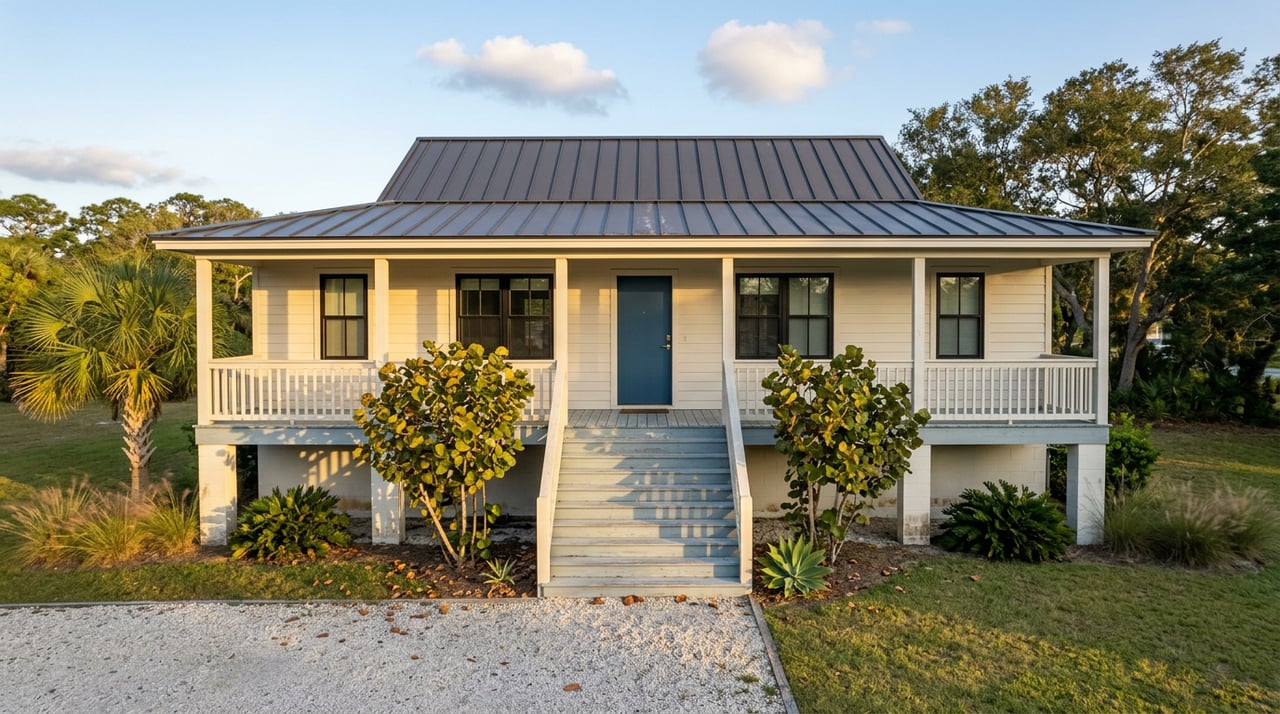
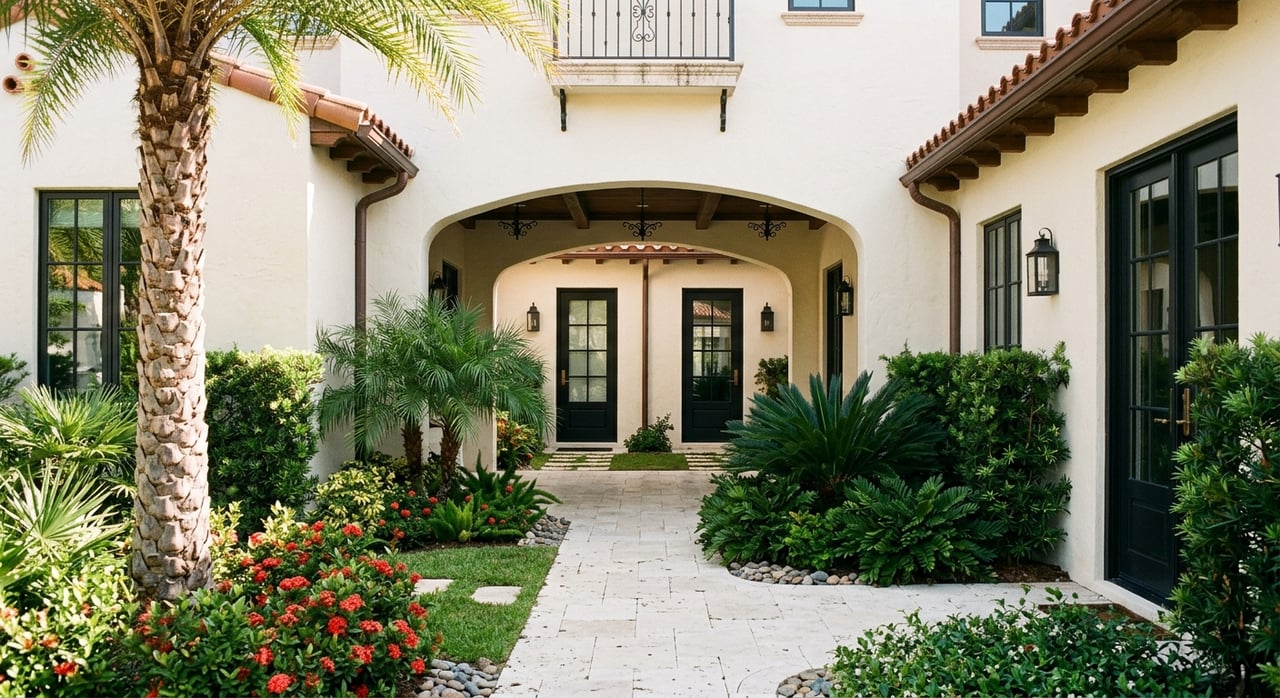
If you love architecture, individuality, and a stronger sense of ownership control, a historic home may be the better match. Winter Park is known for its historic character, especially around the Downtown Winter Park Historic District along Park Avenue.
Owning a historic home feels different from condo ownership because you are typically managing the property more directly. That can be rewarding, but it also means you should be ready for more ongoing maintenance decisions.
What draws buyers to historic homes
Historic homes can appeal to you if you want:
- Distinct architectural character
- More direct control over your property
- A detached-home ownership model
- A home with a strong connection to Winter Park’s historic identity
Winter Park’s preservation materials state that preservation helps retain property values. At the same time, the city also says historic designation itself is not a factor in property valuations.
What upkeep looks like for a historic home
With a single-family home, your ownership costs are more direct. Buyers should budget for maintenance, repairs, utilities, taxes, insurance, and any HOA fees if they apply.
This is one of the biggest lifestyle differences between condos and historic homes. Instead of sharing many exterior responsibilities through an association, you are generally coordinating and paying for more of the home’s needs yourself.
What Winter Park reviews on historic properties
In Winter Park, preservation review mainly affects exterior changes. The city accepts Certificate of Review applications for additions and alterations and uses design review to help keep changes compatible with the district.
The city also states that it does not review interior remodeling of a designated structure. Historic designation does not require owners to restore a property, and the city says there are no fees for designation or for design review and variances tied to alterations or additions, though exterior changes may require variances.
Condo vs Historic Home: Key Differences
If you are comparing these options side by side, it helps to focus on the lifestyle tradeoffs rather than trying to find a universal winner. In Winter Park, the better choice depends on what you want your daily life and long-term ownership experience to feel like.
| Factor | Winter Park Condo | Winter Park Historic Home |
|---|---|---|
| Daily lifestyle | Often supports walkability and easier lock-and-leave living | Often offers more privacy, character, and direct ownership control |
| Exterior upkeep | Common elements may be maintained by the association | You typically manage maintenance more directly |
| Monthly costs | Mortgage plus separate HOA dues, with potential special assessments | Mortgage plus direct costs like repairs, insurance, taxes, and upkeep |
| Decision-making | Shared governance through the association | More personal control, especially for interior updates |
| Due diligence focus | Association budget, reserves, inspections, and disclosures | Property condition, upkeep needs, and any historic exterior review requirements |
How to Decide Which Fits You
A condo may be the better fit if your top priorities are walkability, convenience, and less exterior upkeep. That can be especially appealing if you picture yourself spending more time enjoying Winter Park and less time managing the outside of your property.
A historic home may be the better fit if you value architectural character and want more direct control over the property. You may also prefer the detached-home model if you are comfortable taking on more maintenance and navigating exterior review when needed.
Questions to ask yourself
Before you choose, ask yourself:
- Do you want shared maintenance responsibility or direct control?
- How important is walkability to your routine?
- Are you comfortable reviewing condo association documents and reserve information?
- Do you enjoy caring for an older home with unique character?
- Would exterior design review feel manageable or frustrating?
Your answers can make the right choice much clearer.
Do Not Overlook Long-Term Ownership Costs
Whether you choose a condo or historic home, long-term costs deserve close attention. In condos, association budgets, reserve studies, and special assessments can shape what ownership really costs over time.
With historic homes, maintenance planning matters more because you are usually responsible for more of the work directly. Neither option is automatically cheaper in every case, which is why careful review matters.
For a primary residence in Orange County, homestead rules may also affect your planning. The county says homestead eligibility applies to a permanent residence, Save Our Homes limits assessed-value growth to 3% or CPI, portability can transfer up to $500,000 of accumulated savings to another Florida homestead, and assessed value resets to market value when a homesteaded home is sold.
The Best Fit Comes Down to Lifestyle
In Winter Park, this choice is about more than property type. It is about how you want to spend your time, how much maintenance responsibility feels comfortable, and how much value you place on convenience versus character.
In general, a condo near Park Avenue or the lakes area tends to suit buyers who want walkability and lower exterior upkeep. A historic home tends to suit buyers who want architectural charm and more direct control, while accepting more maintenance and some added friction around exterior changes.
If you want help weighing these tradeoffs in a way that fits your goals, neighborhood preferences, and long-term plans, Evolve Property Group can help you compare your options with local knowledge and personalized guidance.
FAQs
What makes Winter Park condos attractive for lifestyle buyers?
- Winter Park condos can appeal to buyers who want walkability, less exterior upkeep, and a more simplified ownership experience near downtown destinations like Park Avenue.
What should buyers review before buying a Winter Park condo?
- Buyers should review HOA dues, budgets, reserve studies, inspection summaries, and the risk of special assessments because those items can affect the true cost of ownership.
What does historic designation mean for a Winter Park homeowner?
- In Winter Park, historic designation mainly affects exterior changes, while the city states that interior remodeling of a designated structure is not reviewed.
What costs should buyers expect with a Winter Park historic home?
- Buyers should plan for maintenance, repairs, utilities, taxes, insurance, and any HOA fees if applicable, since upkeep is generally more direct than with condo living.
What homestead rules matter for Winter Park primary residences?
- Orange County says homestead eligibility applies to a permanent residence, assessed-value growth may be limited by Save Our Homes, portability may transfer savings to another Florida homestead, and assessed value resets to market value after a homesteaded home is sold.